Trézór Bridge®™ | Secure Crypto Connectivity (1500 Words)
In the ever-evolving landscape of cryptocurrency security, Trézór continues to set industry standards. One pivotal tool in this ecosystem is Trézór Bridge®™, a secure middleware designed to ensure seamless communication between hardware wallets and your favorite Web3 applications. Whether you're new to hardware wallets and starting with trezor io/start, or managing advanced portfolios using trezor suite, understanding trezor bridge is essential for both beginners and seasoned crypto users alike.
What Is Trézór Bridge®™?
Trézór Bridge®™ — commonly referred to simply as trezor bridge — is a secure connectivity layer that allows your Trézór hardware wallet to interact with online wallets, decentralized applications (dApps), and supported wallets. Unlike browser extensions or direct USB drivers, trezor bridge creates a secure communication protocol that:
Maintains encryption between your device and Web3 interfaces
Allows real-time transaction signing
Ensures no sensitive private keys ever leave your hardware wallet
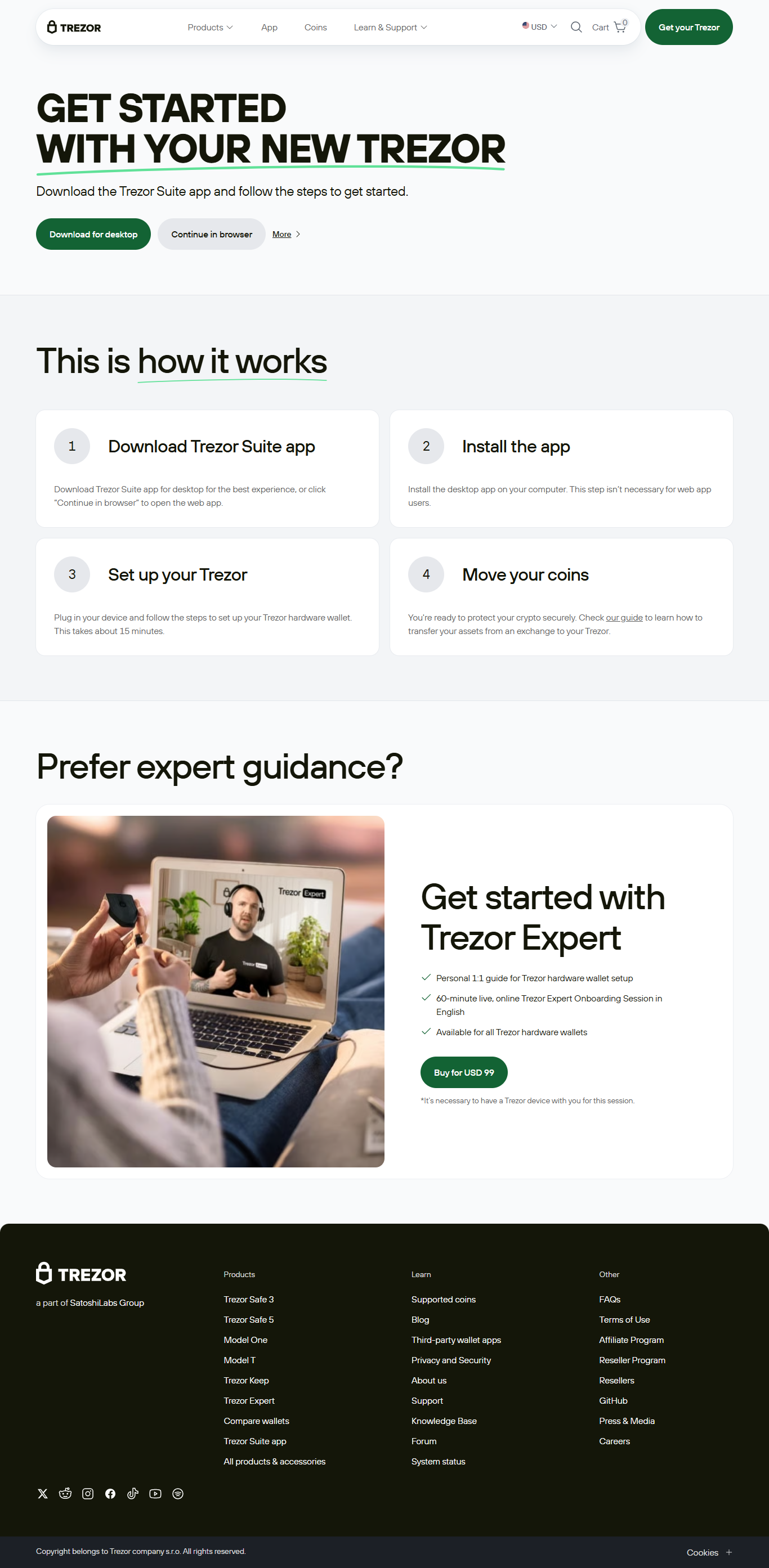
To get started, new users often visit trezor io/start to set up their hardware device properly. That process naturally integrates trezor suite, a desktop and web application that manages tokens, NFTs, and connects via trezor bridge to third-party services.
Why Secure Connectivity Matters in Crypto
Cryptocurrency security begins at the point where your private keys are most vulnerable — typically on your device or during data transmission. With ordinary wallets, keys may reside online or in software, exposing them to risk. With a hardware wallet like Trézór:
Your private keys stay in air-gapped memory
Transactions are approved physically on the device
Communication is encrypted and managed securely via trezor bridge
Many users who start their journey at trezor io/start quickly realize that trezor suite and trezor bridge are the backbone of secure connectivity that protects funds during every interaction with Web3 protocols.
How Trézór Bridge®™ Works: A Step-by-Step Overview
1. Device Initialization
The journey begins at trezor io/start, where users follow official instructions to:
Set up a new hardware wallet
Write down a recovery seed
Install firmware and connect with trezor suite
2. Installing the Bridge
Once your device is ready, installing trezor bridge is crucial. It acts as a translator between your hardware wallet and the browsers or operating systems:
It runs as a background process
Communicates via encrypted channels
Is compatible with Windows, Mac, Linux, and Chrome
3. Connecting to Applications
After installation:
Open trezor suite
Or connect to third-party dApps (Uniswap, MetaMask, etc.)
trezor bridge negotiates secure communication
You confirm transactions on your hardware wallet
Each step ensures that sensitive information never passes outside the hardware wallet unencrypted.
The Role of Trezor Suite in Secure Connectivity
While trezor bridge handles the secure connection layer, trezor suite is your central interface for managing crypto assets. It provides:
Portfolio overview
Transaction history
Fiat value tracking
Token and NFT management
When you fire up trezor suite, it automatically leverages trezor bridge to create a secure session with your hardware device. This means your entire crypto experience — from trezor io/start setup to daily management — is built on secure foundations.
Common Use Cases for Trézór Bridge®™
Secure Transactions with dApps
One of the most frequent use cases for trezor bridge is signing transactions securely. For example:
Swapping tokens on decentralized exchanges
Providing liquidity
Interacting with smart contracts
Each transaction goes through trezor bridge, ensuring the request is securely transmitted and confirmed on the hardware wallet.
NFT Management
Collectors who store NFTs on their Trézór hardware wallet use trezor suite and trezor bridge to view, transfer, or list NFTs. Because NFTs often interact with complex smart contracts, secure connectivity is vital.
Cross-Platform Compatibility
Whether you're on a laptop or desktop, using Chrome or Brave, trezor bridge maintains broad compatibility without sacrificing security.
Installation Guide: Setting Up Trézór Bridge®™
Here’s a simple, step-by-step installation guide:
Visit the Official Start Page: Go to trezor io/start — this redirects you to the official setup instructions.
Download Trezor Suite: Install the latest version of trezor suite.
Install Trezor Bridge: The suite will prompt you to install trezor bridge.
Connect Your Device: Plug in your Trézór hardware wallet.
Authorize Secure Connection: Approve the connection directly on your device.
Once installed, trezor bridge runs in the background, ensuring the secure link stays active whenever your device is connected.
Troubleshooting Connectivity Issues
Sometimes users encounter issues with trezor bridge not connecting. Common solutions include:
Check Browser Permissions
Some browsers may block the communication required for trezor bridge. Ensure you have:
Allowed pop-ups
Enabled WebUSB or relevant permissions
Restart Trezor Bridge
If connectivity fails:
Close trezor suite
Restart trezor bridge
Reconnect your device
Update Software
Always use the latest:
Firmware on your Trézór device
trezor suite version
trezor bridge installer
Official updates are released regularly and improve compatibility and security.
Security Benefits of Using Trezor Bridge
No Key Exposure
Your private keys remain on the hardware device and never touch your computer memory or browser.
Encrypted Communication
All communications are encrypted between the hardware device and applications using trezor bridge.
Physical Transaction Confirmation
Every transaction still requires physical approval on the device — a powerful defense against remote hacks.
Official Support and Verification
Programs like trezor suite and trezor bridge are officially supported by the Trézór team, so you always get verified and trustworthy updates.
Comparing Trezor Bridge With Other Connectivity Methods
Some wallet providers rely on browser extensions or direct USB access. In contrast:
FeatureTrezor BridgeBrowser ExtensionsDirect USBEncryption✔️❌⚠️Cross-Platform✔️LimitedManualSecurityVery HighModerateModerateOfficial Support✔️VariesVaries
trezor bridge wins on secure, modern connectivity without sacrificing usability.
Interoperability: Trezor Bridge + Trezor Suite + Web3
The combination of trezor bridge and trezor suite opens possibilities such as:
Connecting to decentralized exchanges
Viewing NFTs directly
Managing DeFi positions
Tracking real-time portfolio value
Each secure interaction relies on trezor bridge as the trusted pathway between your hardware wallet and any external application.
Best Practices for Secure Crypto Connectivity
To maximize your security with trezor bridge:
Always download from official sources (trezor io/start)
Verify software signatures
Update regularly
Use official trezor suite
Avoid third-party cloned software
These simple steps prevent many common attack vectors.
Final Thoughts
In a world where crypto threats evolve quickly, Trézór Bridge®™ stands as a foundational component of secure connectivity. Whether you’re just beginning with trezor io/start, exploring trezor suite, or executing complex Web3 actions, trezor bridge provides a critical layer of trust. By encrypting communication and ensuring private keys stay protected on your hardware wallet, trezor bridge enables you to interact with the digital asset ecosystem with confidence.
Remember — security in crypto is not optional. Tools like trezor bridge and trezor suite help make that security practical, usable, and accessible for everyone from beginners to advanced users.
Frequently Asked Questions (FAQ)
1. What is Trézór Bridge®™?
Trezor Bridge is a secure communication tool that enables your Trézór hardware wallet to connect to online wallets, apps, and trezor suite without exposing your private keys.
2. How do I install Trezor Bridge?
Visit trezor io/start, download trezor bridge, install it, and connect your device to the trezor suite app. The official site guides you through each step.
3. Is Trezor Bridge safe?
Yes — trezor bridge encrypts communication and ensures your private keys never leave the hardware device.
4. Do I need Trezor Suite to use Bridge?
While trezor suite simplifies management, trezor bridge can also connect your device securely with other supported apps.
5. Can I connect to dApps using Bridge?
Absolutely. Trezor bridge enables secure transaction signing with decentralized applications.
6. Why can’t my browser detect my Trezor device?
You may need to install or restart trezor bridge, check browser permissions, or update software.
7. Does Trezor Bridge work on all systems?
Yes — trezor bridge supports Windows, Mac, and Linux platforms.
8. Is Bridge updated automatically?
Updates for trezor bridge come via the official installer. Always check trezor io/start for the latest version.
9. Can I use Bridge without a hardware wallet?
No — trezor bridge connects only with official Trézór hardware devices.
10. Does Bridge support NFT transactions?
Yes — through trezor suite and supported dApps, trezor bridge handles secure NFT transfers.